


Top Payment Gateway Options for Bangladeshi E-Commerce Businesses in 2025
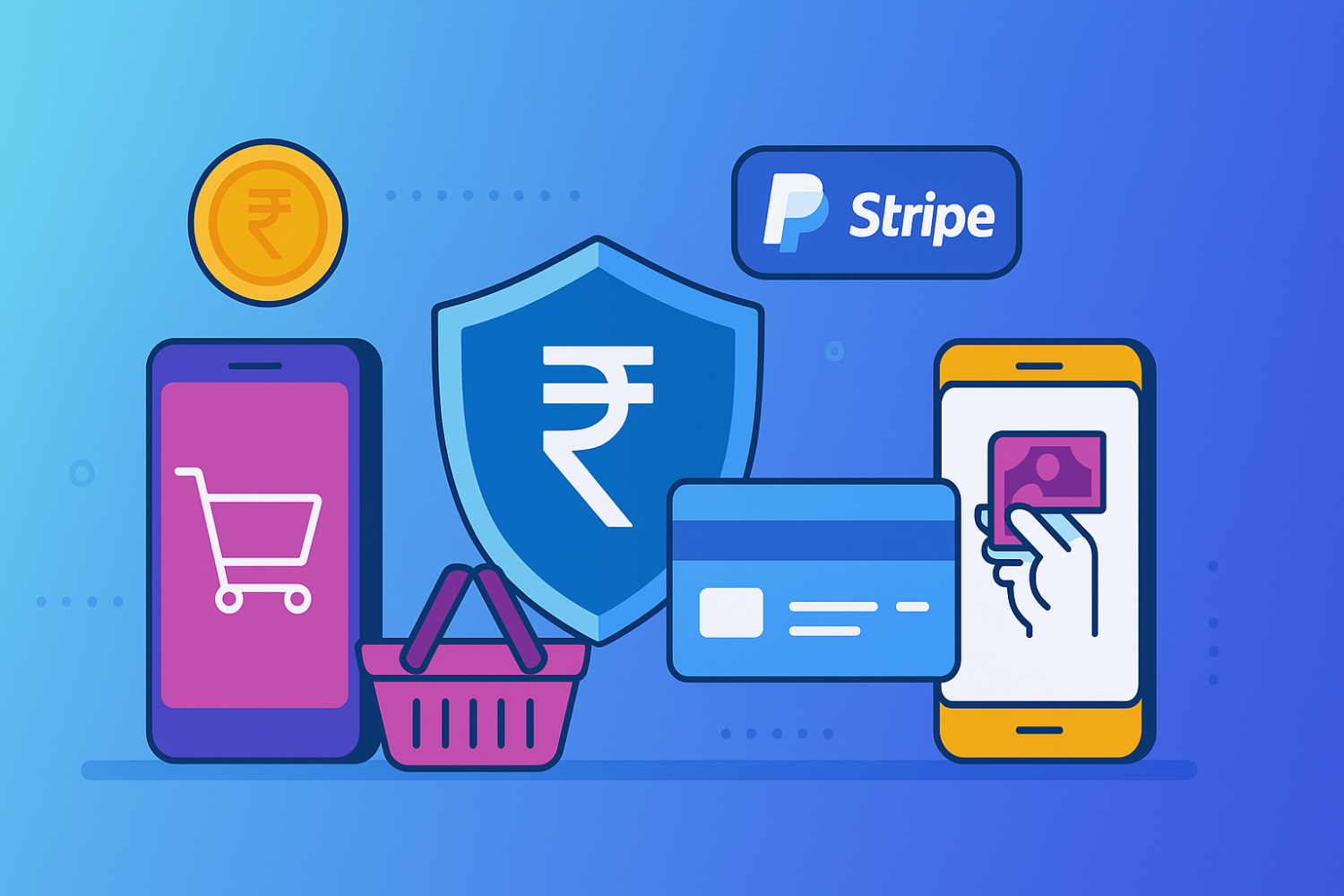
Introduction to E-Commerce Payment Gateways in Bangladesh
The landscape of e-commerce in Bangladesh has undergone significant transformation in recent years, driven by increased internet penetration, mobile usage, and a burgeoning consumer base interested in online shopping. As this market continues to expand, the role of payment gateways becomes increasingly critical in facilitating seamless online transactions. Payment gateways in Bangladesh serve as the intermediary that validates and processes payment information, enabling businesses to accept a wide range of payment methods.
With the rise of Bangladeshi e-commerce, reliance on online payment solutions like SSLCommerz and bKash for e-commerce has surged. These payment gateways provide not only convenience but also enhanced security for both consumers and merchants. For instance, SSLCommerz offers robust security measures, ensuring that sensitive information is protected during transactions, which is crucial in a digital age where cyber threats are prevalent. This focus on security fuels consumer confidence, thereby encouraging more individuals to shop online.
As we approach 2025, the trends surrounding payment gateways are evolving. The integration of more advanced technologies, such as artificial intelligence and machine learning, is anticipated to streamline the payment processing activities and minimize transaction times. This will cater to the growing expectations of consumers for quick and reliable services. Additionally, as the popularity of online shopping continues to rise, the demand for dependable payment gateways in Bangladesh will likely increase, resulting in a more competitive landscape for both new and established e-commerce platforms. Understanding these dynamics is essential for businesses seeking to make informed decisions regarding the payment solutions they adopt.
Top Domestic Payment Gateways: SSLCommerz, bKash, and Nagad
In the rapidly evolving landscape of Bangladeshi e-commerce, the choice of payment gateways plays a vital role in enhancing the customer experience. Among the leading domestic payment solutions are SSLCommerz, bKash, and Nagad. Each of these gateways offers unique features tailored to meet the diverse needs of online businesses and consumers alike.
SSLCommerz stands out for its robust transaction speed and security measures. Known for its PCI DSS compliance, SSLCommerz ensures that sensitive data is safeguarded during transactions. The platform supports multiple payment methods, including cards and bank transfers, making it versatile for Bangladeshi e-commerce businesses. Additionally, its fee structure is competitive, with transaction fees that vary based on the payment method used. SSLCommerz also provides seamless integration with various e-commerce platforms, allowing business owners to implement the service easily.
bKash, one of the most popular mobile financial services in Bangladesh, has revolutionized payment solutions with its user-friendly interface and widespread acceptance. It offers instant transactions that enhance customer satisfaction, especially for mobile users. For merchants, bKash's fee structure includes a minimal service charge, which can be very appealing to small and medium-sized enterprises. Moreover, bKash's API ensures easy integration into online platforms, enhancing its usability for merchants looking to streamline their payment processes.
Nagad has also emerged as a worthy competitor in the payment gateway sector, providing fast and reliable transaction services. One of its primary advantages is the low transactional fees designed specifically for Bangladeshi e-commerce. Additionally, Nagad's commitment to security and customer support is commendable, allowing businesses to feel secure while using its services. Like its counterparts, Nagad offers integration support to help merchants connect the payment system into their applications or websites smoothly.
In summary, SSLCommerz, bKash, and Nagad present robust online payment solutions tailored for e-commerce in Bangladesh. Each gateway excels in specific areas such as transaction speed, security, and user experience, making them integral choices for businesses aiming to optimize their payment processing as they move into 2025.
International Payment Gateways: Options for Global Transactions
As Bangladeshi e-commerce businesses continue to expand their reach, selecting the right international payment gateways becomes crucial for catering to a global audience. Options such as PayPal, Stripe, and Square have gained prominence due to their extensive features and ease of integration into online payment solutions. These platforms enable businesses to facilitate transactions across borders, enhancing the shopping experience for international customers.
PayPal, one of the most recognized payment gateways globally, offers a user-friendly interface and seamless transaction processes. It supports multiple currencies, which can be especially beneficial for Bangladeshi e-commerce platforms looking to attract foreign buyers. However, businesses must consider transaction fees that could impact their margins, particularly in lower-value sales. Additionally, the requirement for a strong understanding of compliance and regulatory issues adds complexity to using PayPal in Bangladesh.
Stripe presents another robust option, particularly for e-commerce businesses that prioritize flexibility and functionality. Its user-friendly API allows for custom integration into websites, making it a preferred choice for developers. Stripe also includes advanced features like subscription billing and fraud prevention tools, which can enhance the customer experience. Despite its advantages, businesses should be wary of transaction fees and a complex onboarding process, which might pose challenges for smaller enterprises.
Square, while traditionally known for its point-of-sale solutions, has expanded to include online payment options that benefit e-commerce operations. It offers an intuitive dashboard for tracking sales and managing inventory, making it appealing to entrepreneurs. Although supported primarily in specific regions, it can align well with businesses that require a straightforward payment processing route, albeit with varying fee structures.
In this competitive landscape, Bangladeshi e-commerce should also evaluate factors such as currency conversion costs, local banking regulations, and customer service support when selecting international payment gateways. These elements can significantly influence the success of the payment solutions integrated into their platforms. Ultimately, the right gateway selection depends on the business goals, target demographics, and the nature of the products being offered, ensuring that local businesses can effectively compete on an international stage.
Making the Right Choice: Factors to Consider When Choosing a Payment Gateway
As the landscape of Bangladeshi e-commerce continues to evolve, the selection of an appropriate payment gateway becomes critical for business success. With the projected trends for 2025, it is essential for e-commerce entrepreneurs to thoroughly evaluate various payment options to ensure seamless online payment solutions. Key factors to consider when choosing a payment gateway include transaction fees, integration capabilities, customer support, security features, and user experience.
Transaction fees can significantly impact an e-commerce business's bottom line. Every payment gateway in Bangladesh typically charges fees for transactions, which may vary based on the payment methods offered and the volume of transactions. Understanding these fees upfront can help store owners make financially sound decisions that align with their business model.
Integration capabilities are another pivotal aspect. E-commerce platforms often employ a variety of tools and systems that need to communicate effectively with the chosen payment gateway. Popular options, such as sslcommerz and bkash for e-commerce, must seamlessly integrate into existing infrastructure to enhance user experience and maintain customer satisfaction.
Customer support is critical when selecting a payment gateway. Businesses need reliable contact points in case of technical issues or transaction disputes. Robust customer service can alleviate potential problems and ensure smooth processing of payments, which is crucial for maintaining customer trust.
Security features are non-negotiable in the realm of online transactions. Payment gateways must comply with industry standards and provide encryption to safeguard sensitive customer information. Additionally, customers are more likely to complete purchases if they feel secure during the payment process.
Lastly, evaluating user experience—both for customers making purchases and for business owners managing transactions—can significantly influence the effectiveness of a payment gateway. Streamlined processes enhance customer satisfaction and foster repeat business. Ultimately, by considering these factors, e-commerce store owners can choose the most suitable payment gateway that fulfills their operational needs and aligns with evolving 2025 payment gateway trends.
Recent Posts






Beginner-Friendly Facebook Ad Copywriting Hacks to Boost Engagement and Conversion Rates

5 Essential Canva Tips for Beginners: Create Stunning Graphics with Ease